



Description
Are you looking for a sustainable way to securely seal your container or bottle?
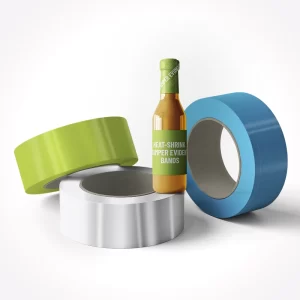
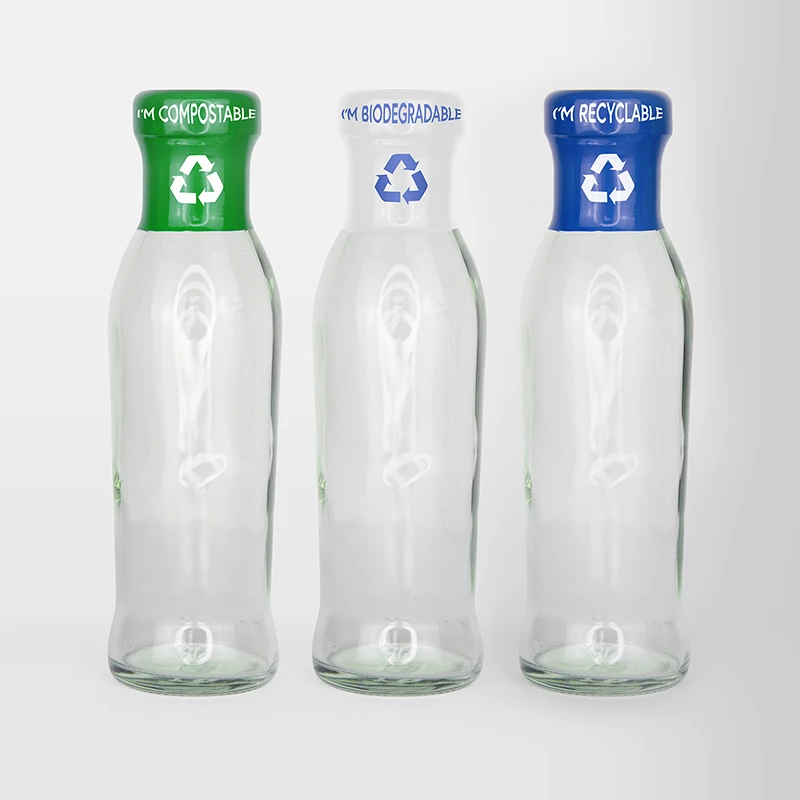
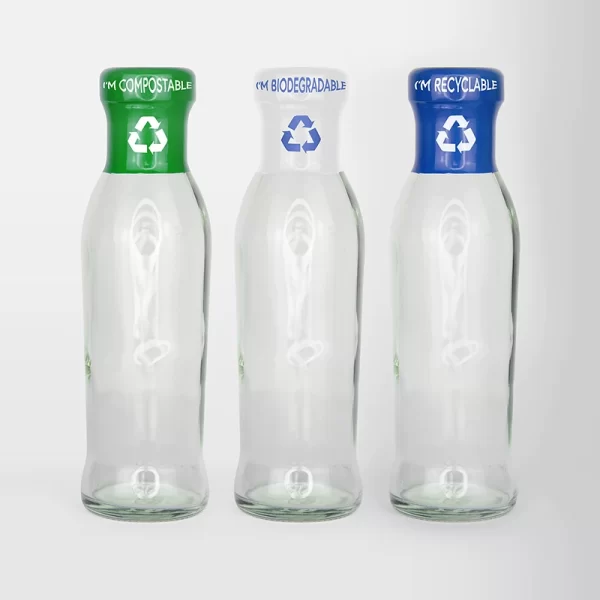
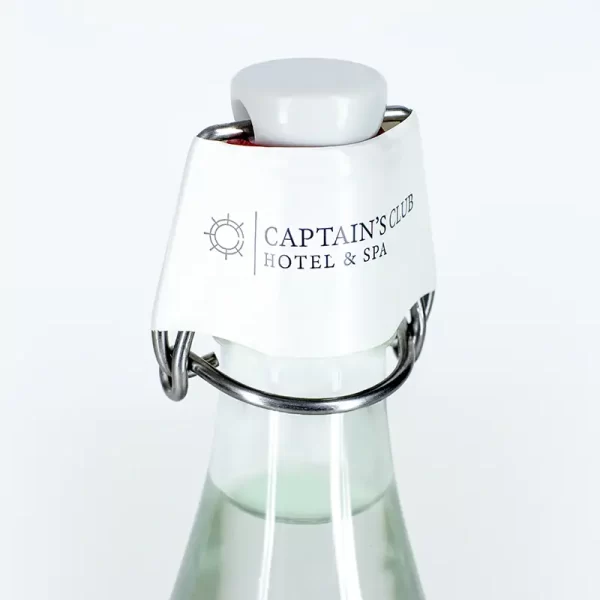
Introducing Viskrings – our unique plastic free, biodegradable, home compostable, self-shrinking tamper evident bands.
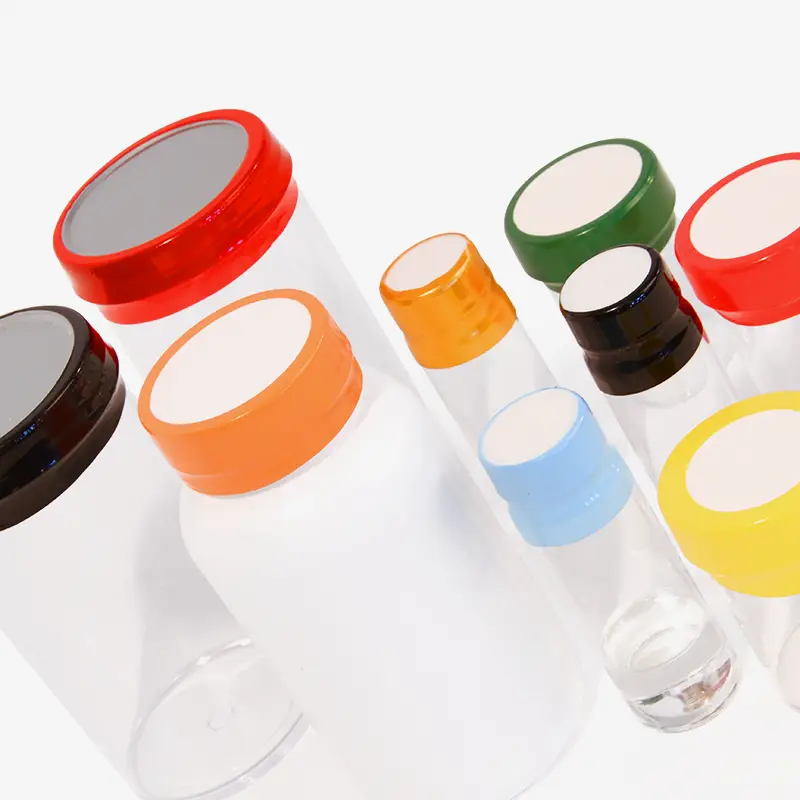
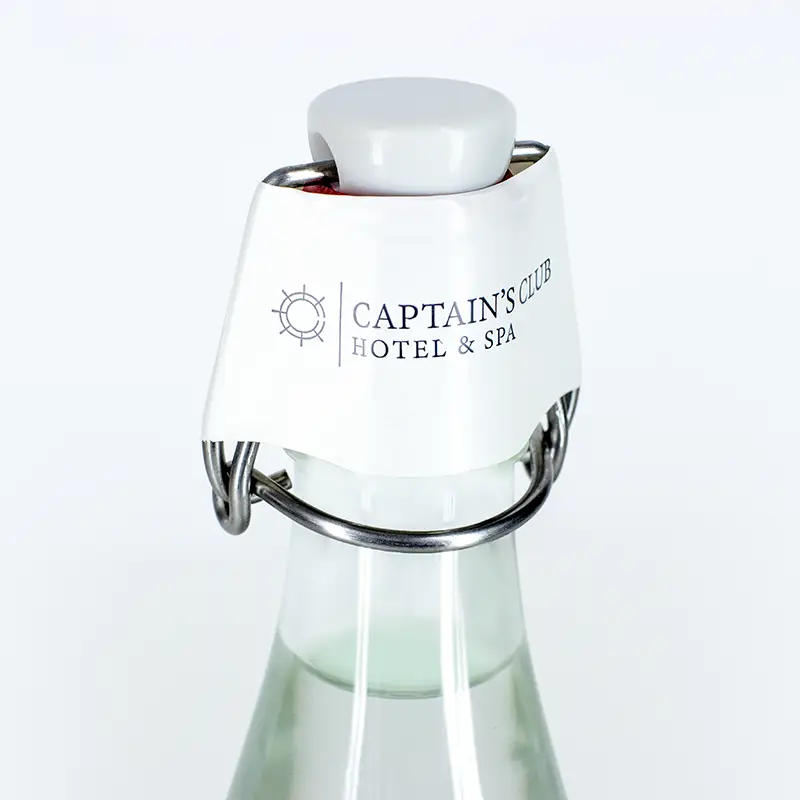
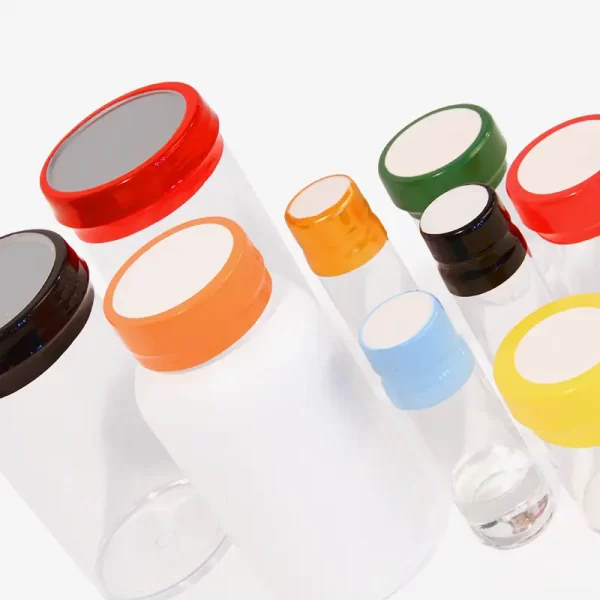
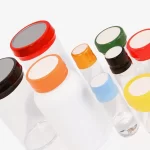
Viskrings are available in diameters of 18mm-100mm, and a variety of colours from standard transparent/white/black all the way through to bespoke colours to match your branding. The bands can also be one colour printed with your logo or wording of your choice.
No machinery? No problem!
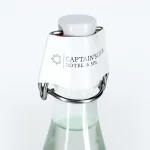
Our Viskrings are hand applied and shrink by themselves at room temperature by up to 40% of their original size forming a tight seal that protects against contamination and counterfeiting.
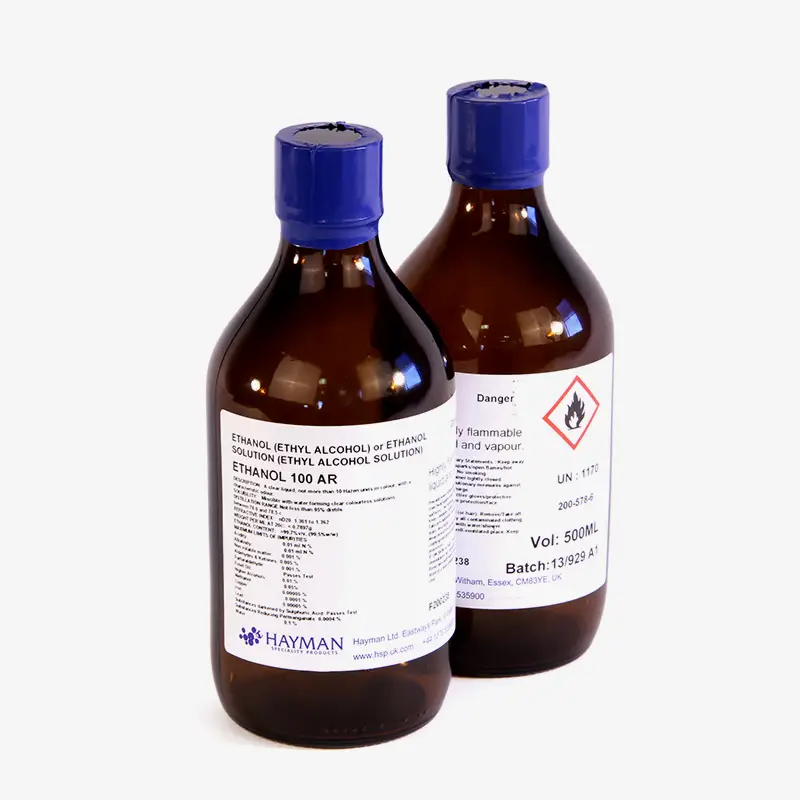
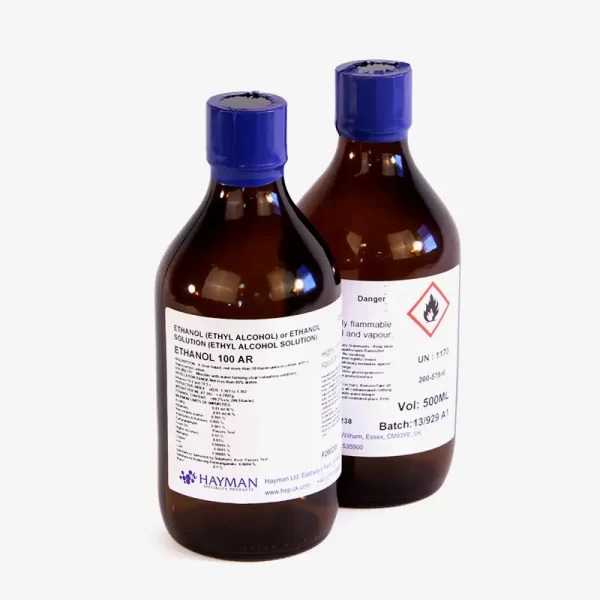
Need a heat-free solution for heat-sensitive products such as food, perfume, gas or flammable liquids?
Viskrings are the perfect choice as they self-shrink at room temperature within an hour – no heat required.
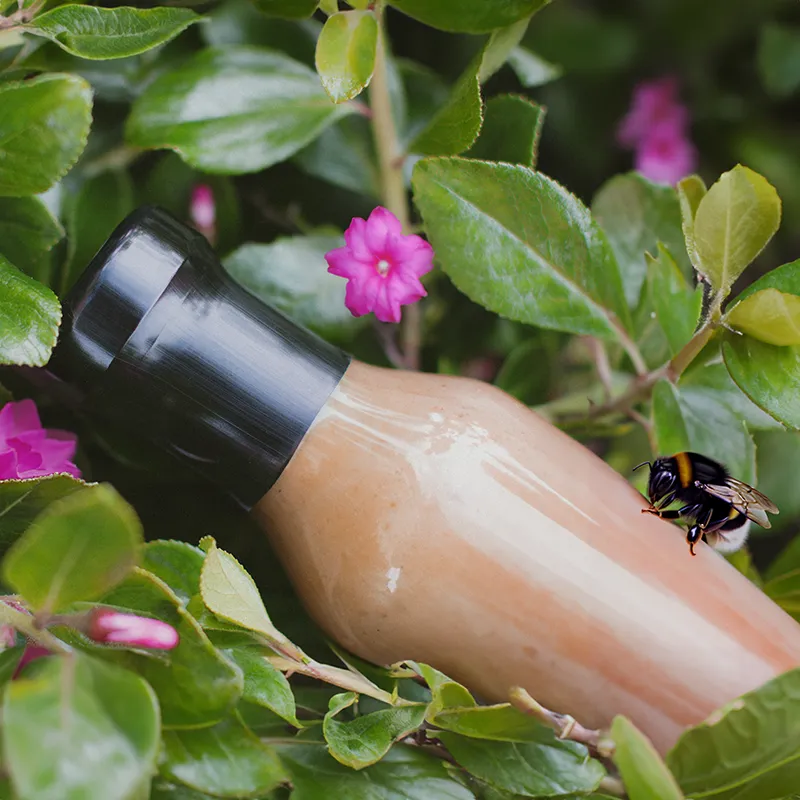
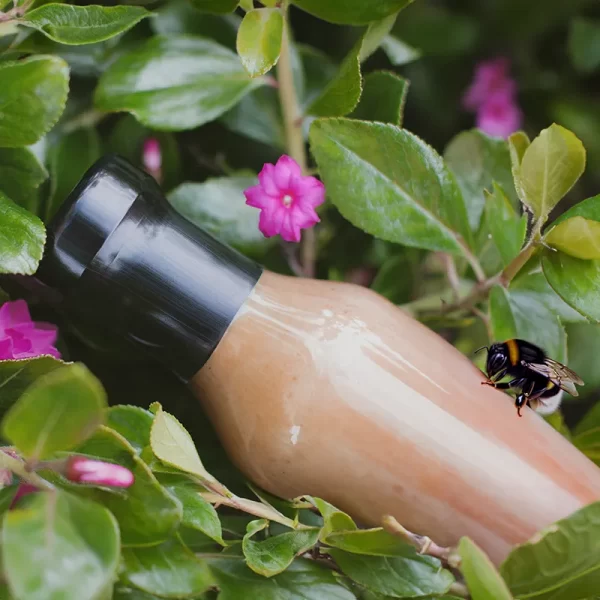
Made exclusively in the UK from natural cellulose fibres derived from renewable wood pulp, our eco-friendly bands are completely plastic- free and home compostable disappearing in soil in just 4 months!
We are proud to work with customers of all shapes and sizes such as: artisan craft producers, NHS trusts, industrial gas suppliers and pharmaceutical manufacturers.
With over 125 years’ experience in manufacturing sustainable and secure solutions you can trust Viscose to protect your product and enhance your brand.
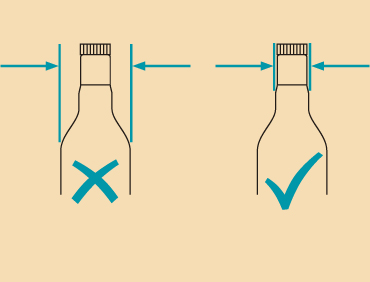 Measure the widest point over which the seal must pass, then add 1mm. For example, if the diameter of the cap is 50mm you should choose a seal of 51mm diameter.